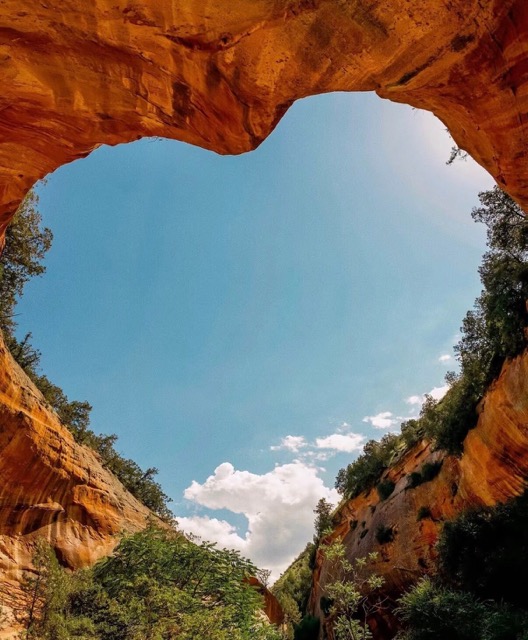
Yulin Wave Valley vs Antelope Canyon: A Martian Landscape Without Flying to America
Scenery, tickets, access and photo tips compared — open-air red Danxia vs Arizona's light-beam slot canyon.
The largest bronze-ware museum in China — where the earliest written word "China" was set down three thousand years ago
If you need car charter or ticket booking services, please click Booking Page
A guide to the Baoji Bronze Ware Museum (宝鸡青铜器博物院) — the largest bronze-ware museum in China, standing on the very soil where the Zhou and Qin civilizations were born.
Baoji is the cradle of the Western Zhou and Qin states — and the earth here has yielded one of the world's richest hoards of ancient bronze. The museum, housed in the China Stone Drum Park, gathers over 4,870 bronze relics spanning the Shang, Western Zhou, and Spring-and-Autumn periods, tracing the ritual heart of early Chinese statehood.
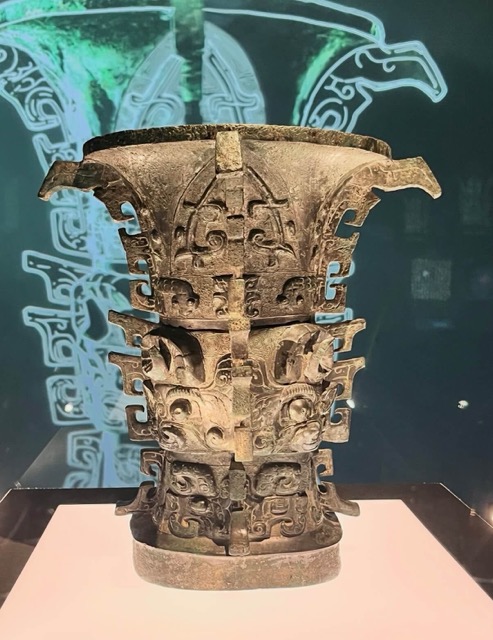
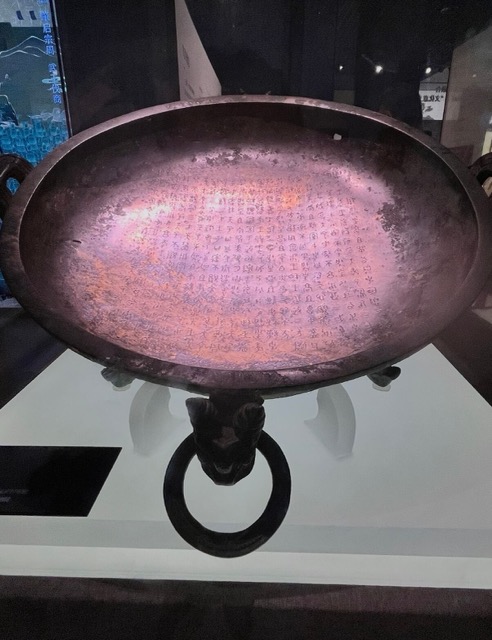
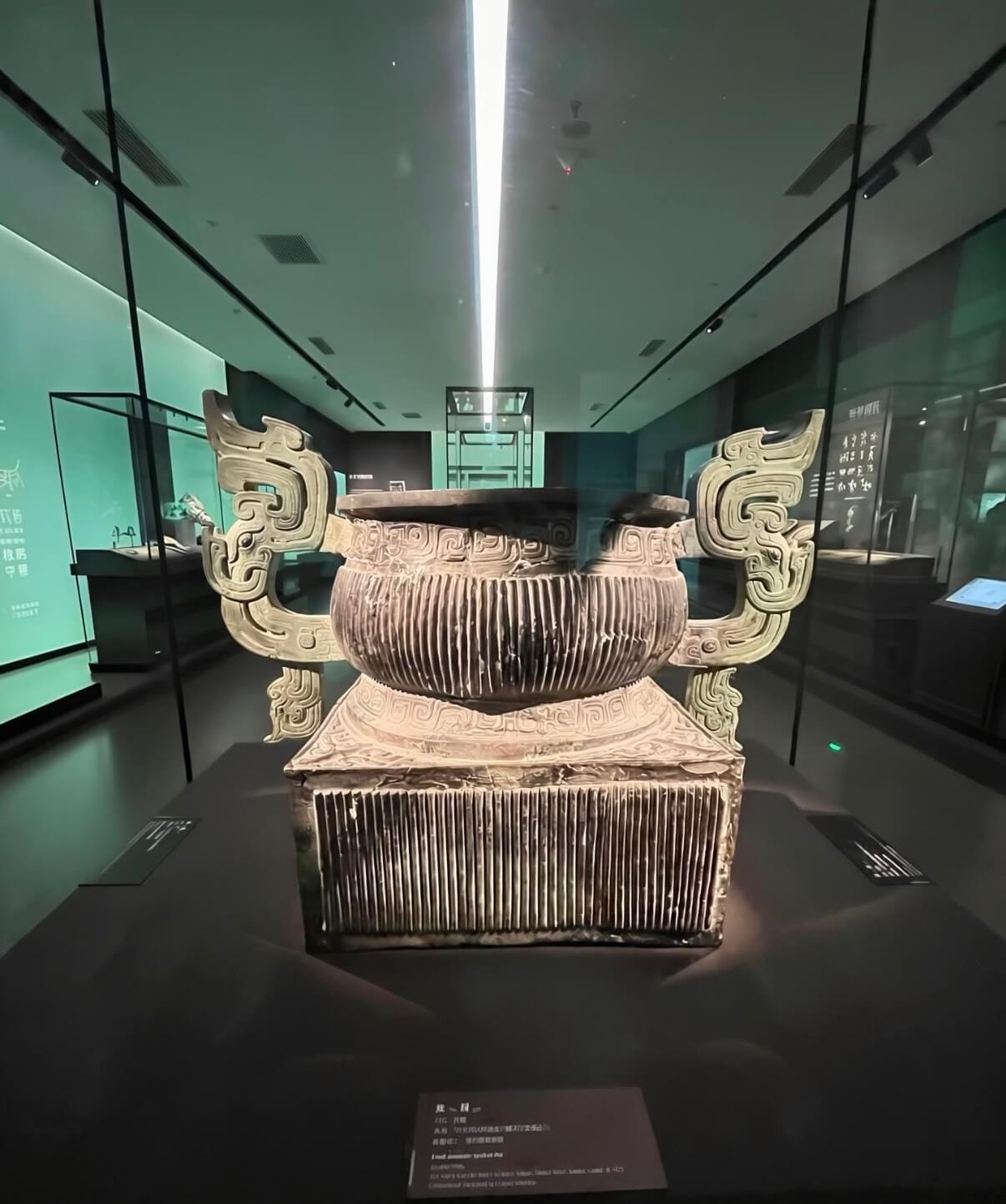
Its three greatest treasures — the He Zun, the Lai Pan, and the Hu Gui — are national-treasure-grade artifacts that re-wrote Chinese historiography. Free to enter, the museum is an essential stop for anyone tracing the very origins of the word "China."
The museum's three national-treasure-grade bronzes each re-wrote a chapter of early Chinese history — from the origin of the word "China," to a bronze "history book," to the largest surviving ceremonial gui. Together they trace the ritual and political heart of the Western Zhou.
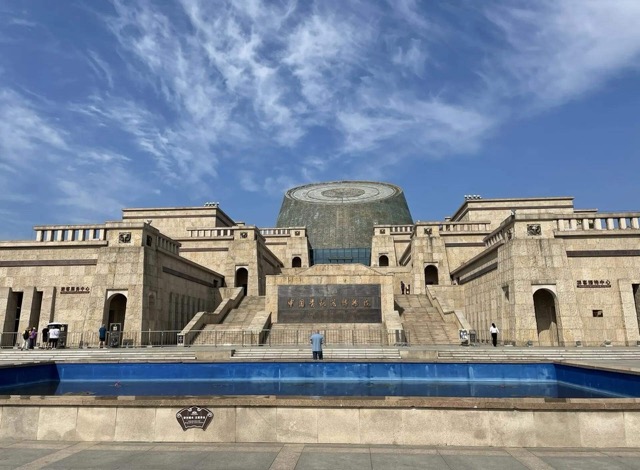
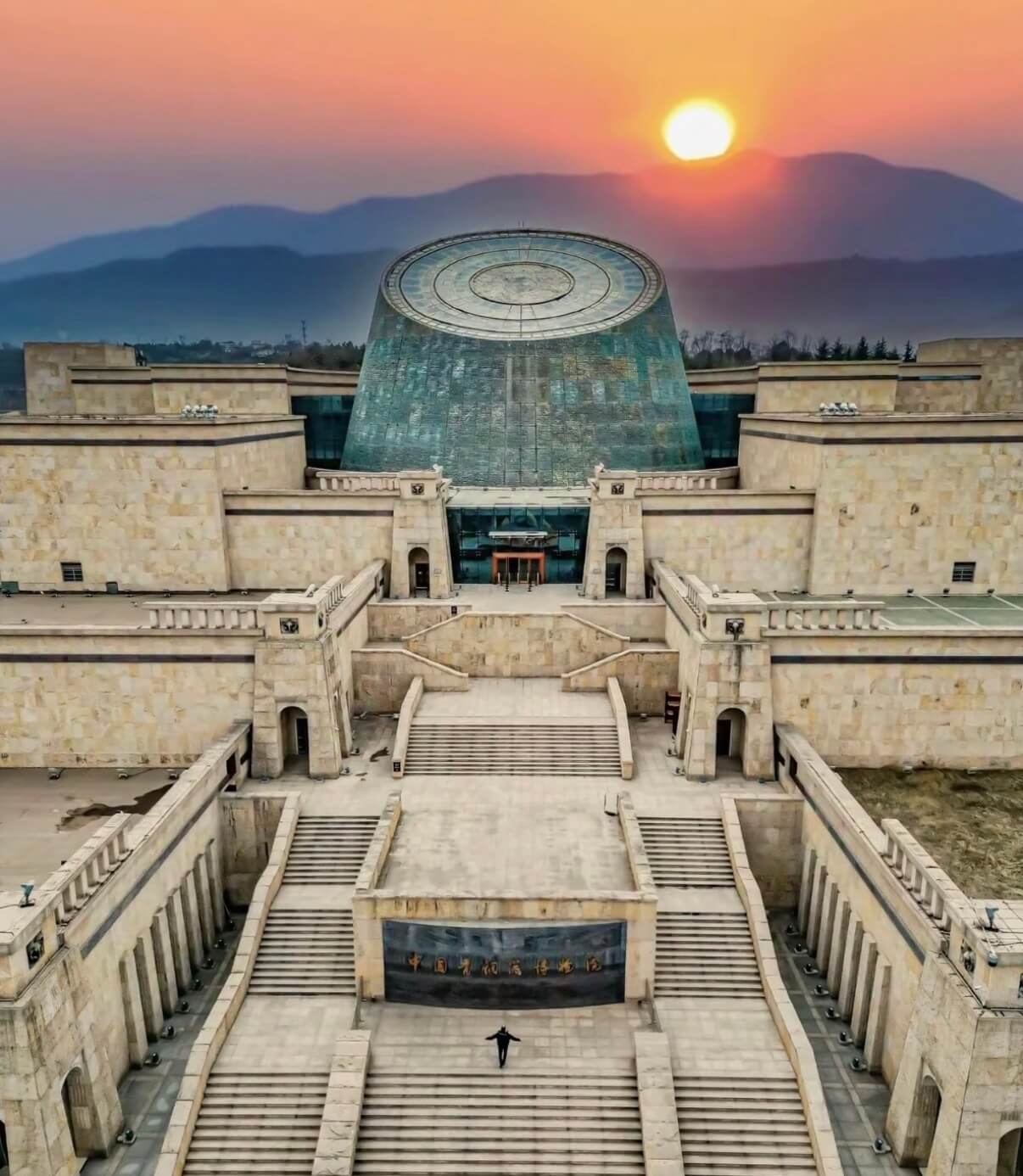
The photos on the right show the museum's exterior and its three greatest treasures — the He Zun, Lai Pan, and Hu Gui. Click any image to zoom in.
Museum Exterior
China Stone Drum Park (中华石鼓园), Binhe Avenue, Baoji, Shaanxi Province
9:00-17:00 (Tue-Sun, closed Mondays)
All year round — an indoor museum, ideal in summer heat or winter cold.
Free entry (valid ID or passport required)
Free ticket issued with ID at the gate; group visits by advance appointment
City bus within Baoji to Stone Drum Park; high-speed rail to Baoji South Station, then a short taxi ride
Discover our comprehensive travel guides for Shaanxi
Scenery, tickets, access and photo tips compared — open-air red Danxia vs Arizona's light-beam slot canyon.
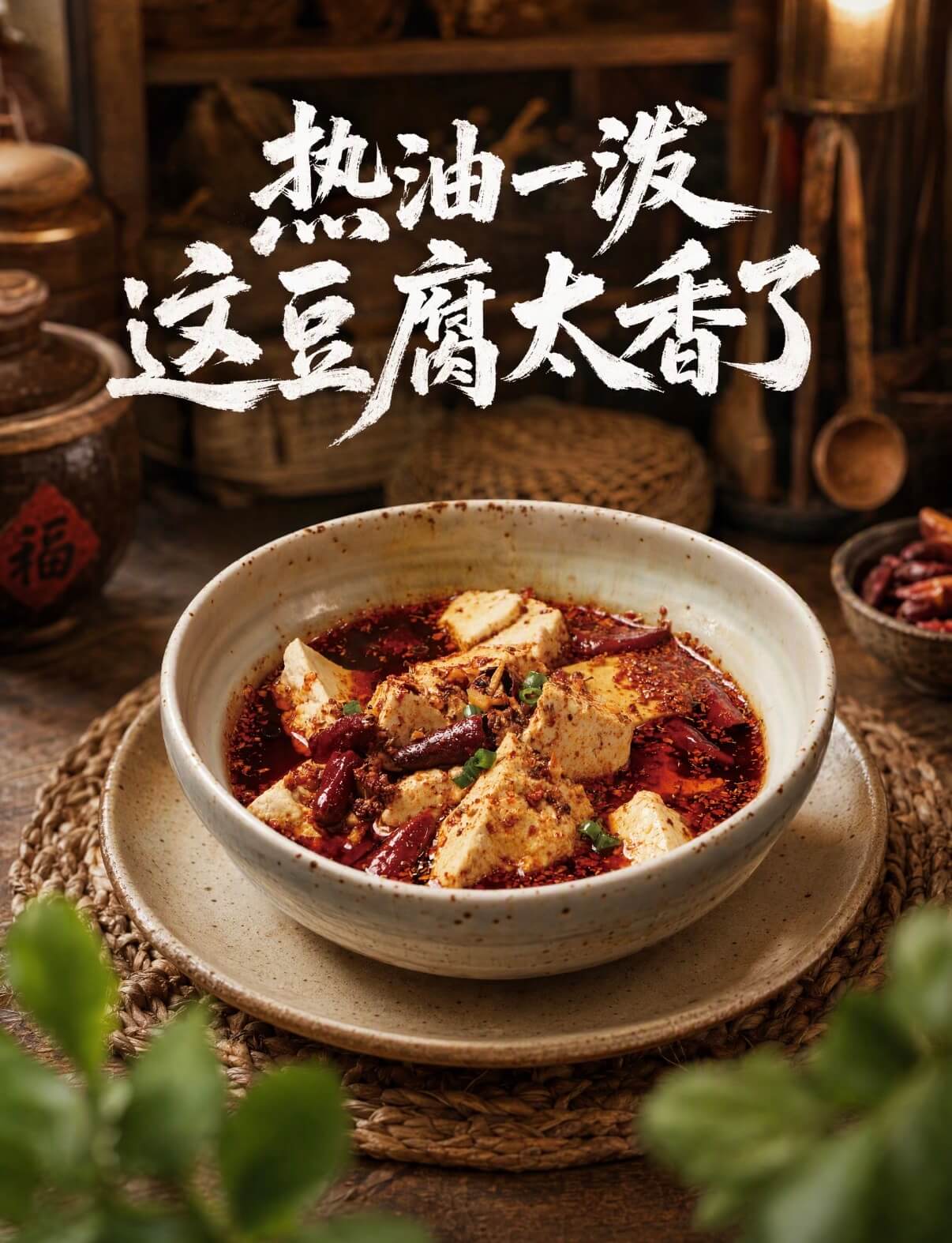
Sweet-well-water Yulin tofu, Yangzasui lamb breakfast soup, clay-oven buns and fried soy milk dessert.
Rotating slot canyons, midday light beams, and free exploration — compare Yan'an's "China's Antelope Canyon" with Arizona's original.
Share your museum experiences with others and get tips from the community.
Loading posts...
No community posts yet.